The main project supporting the Italian candidacy to host the Einstein Telescope is ETIC (Einstein Telescope Infrastructure Consortium), funded with €50 million by the National Recovery and Resilience Plan (NRRP). It involves 14 Italian universities and research institutions, coordinated by the National Institute for Nuclear Physics (INFN). Among ETIC’s objectives, in addition to the feasibility study and the characterization of the Sos Enattos candidate site in the Nuoro area, is the creation or strengthening of a network of research laboratories at the universities and institutions involved in the project, aimed at developing the technologies that will be adopted by the future gravitational wave observatory.
In many cases, the establishment of these new laboratories, almost all of which were inaugurated in 2025, has represented an interesting and unprecedented opportunity for collaboration between research institutions and local stakeholders, such as companies, cooperatives, and foundations. A particularly virtuous example is the COMET laboratory in Rovigo, the most recent to be inaugurated, on October 6, in the presence of the Minister of Universities and Research, Anna Maria Bernini.
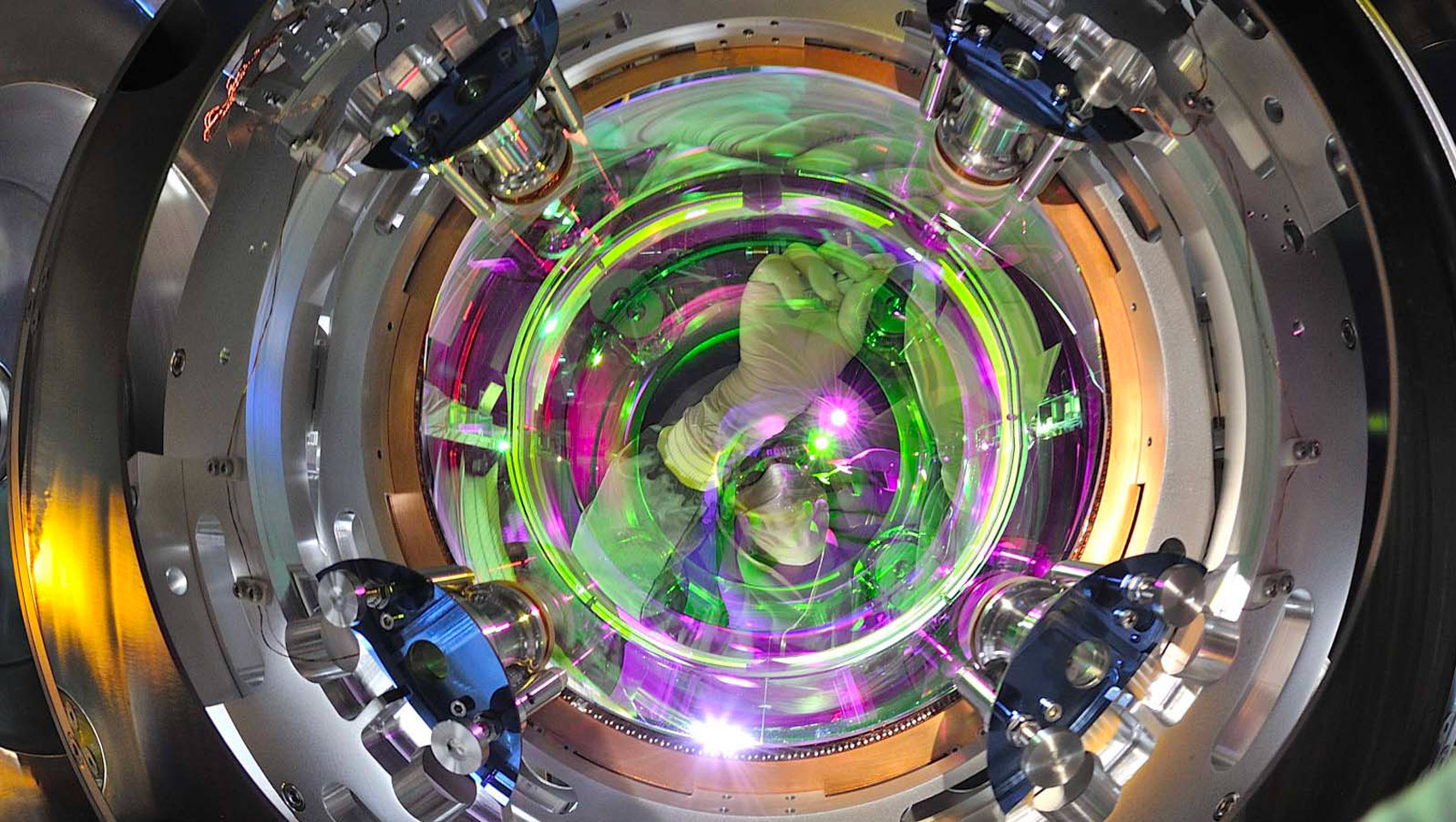
The laboratory, with a total value of approximately €1.4 million and whose main scientific objective is the development of mirror coatings for the new gravitational wave detector, is the result of a collaboration between the University of Padua, the local INFN section, and the Fondazione Cassa di Risparmio di Padova e Rovigo (Cariparo).
Fondazione Cariparo is a private non-profit organization that works to promote quality of life and the sustainable development of the Padua and Rovigo area, inspired by a vision of an inclusive, supportive community open to innovation. To this end, it supports projects capable of generating a positive impact on the community, also by experimenting with new approaches to addressing local challenges, in order to produce knowledge on how to solve them effectively.
Its involvement in the ETIC project and in the creation of the COMET laboratory was mainly operational. In particular, the Foundation included the construction of the new research laboratory within the relaunch plan of the Cen.Ser facility in Rovigo (which hosts the laboratory). This plan was launched in 2021 thanks to an agreement with the Province and Municipality of Rovigo, the Chamber of Commerce, and Confindustria, and has led to the creation of a new hub for innovation, training, and territorial development.
The identification of this space to host the COMET laboratory was decisive for its realization, as it made it possible to complete the project within the timelines set by ETIC.
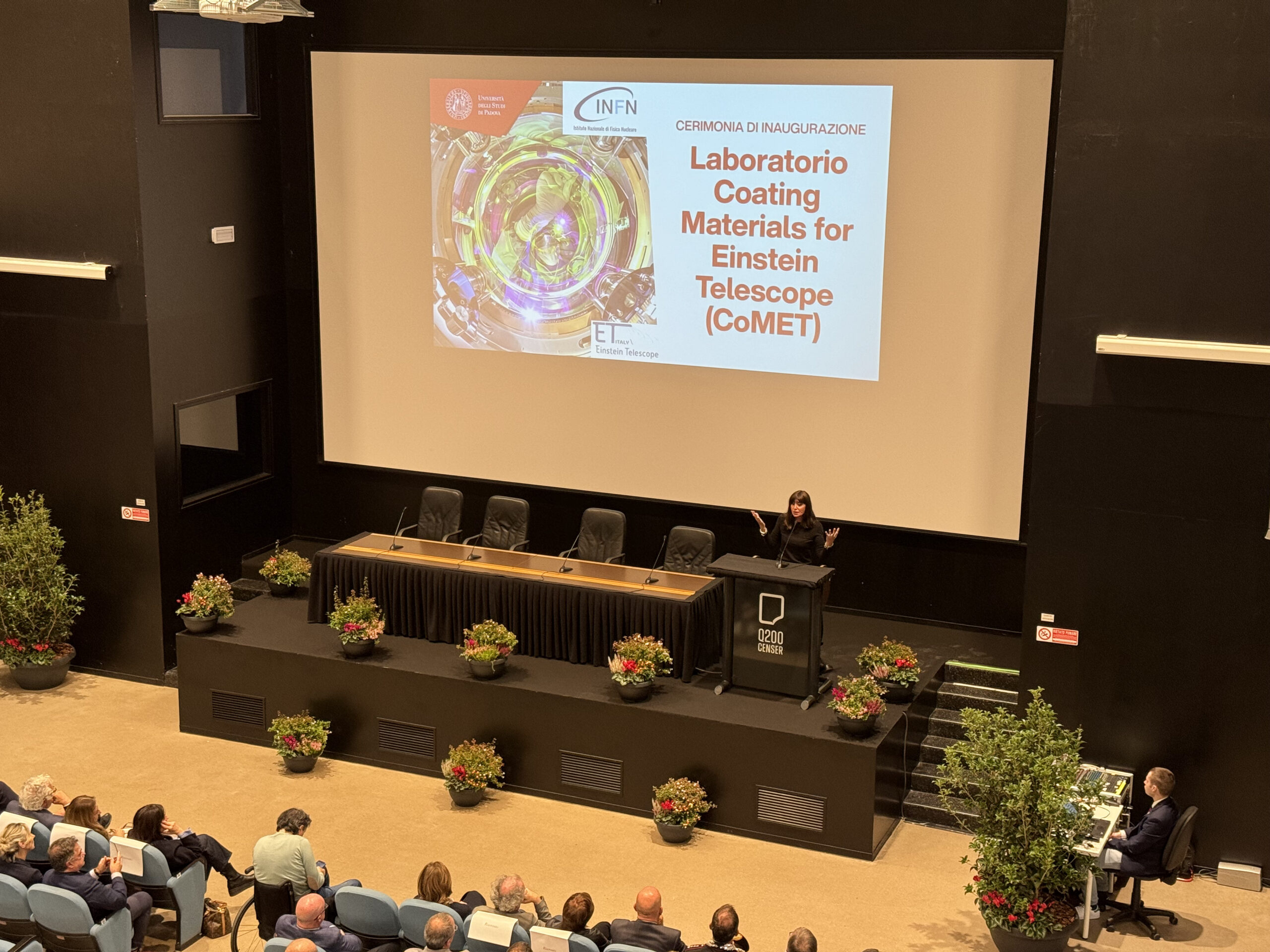
An image of the inauguration ceremony of the COMET laboratory, at the Cen.Ser in Rovigo
«Supporting the CoMET laboratory means investing in a vision of the future that brings together excellence in scientific research, technological innovation, and territorial development. The Foundation chose to make a significant contribution to this globally important endeavor because it believes in the strategic value of collaboration among institutions, universities, and public bodies», says Gilberto Muraro, President of Fondazione Cariparo. «The location of the laboratory within the CenSer facilities also fits perfectly into the strategy we are pursuing to transform the complex into a modern hub for innovation, training, and culture, capable of attracting talent, generating opportunities, and strengthening the role of the Polesine area in the research and development landscape».
«The CoMET laboratory, developed as a sub-project of ETIC, represents a virtuous example of cooperation among academic institutions, research bodies, and local organizations, arising from the close collaboration between the University of Padua, the INFN Padua Section, and Fondazione Cariparo, with the shared goal of contributing to the development of strategic materials and technologies for the future of the Einstein Telescope and gravitational wave research», adds Marco Bazzan, professor at the University of Padua and scientific director of the COMET laboratory. «Crucial to the project’s success was in particular the synergy with the Foundation, which played a decisive role in providing the facilities and supervising the renovation works of the building hosting the laboratory, ensuring the creation of a modern, functional infrastructure fully suited to the needs of cutting-edge scientific research. This collaboration is part of a broader framework of synergy with the University of Padua, which can access several spaces within the Q200 Cen.Ser campus in Rovigo, fostering the development of research, training, and technology transfer activities in the region».