by Marco Ledda
In recent years, the search for absolute silence has driven some of the world’s most ambitious research projects to establish themselves in remote regions, historically isolated areas, or places affected by profound economic and demographic change.
This is the case of the European Einstein Telescope (ET) project, whose Italian candidacy focuses on the Sos Enattos site in the Nuoro area of Sardinia. The absence of seismic noise, combined with the extremely low levels of anthropogenic noise resulting from the area’s low population density, makes the ground beneath the territory surrounding the former Sos Enattos mine an ideal environment for isolating ET’s highly sensitive laser interferometer. This outpost of scientific knowledge shares remarkable structural, social and geopolitical similarities with another milestone in global research: the Kamiokande experiment in Japan, built to detect neutrinos, subatomic particles with an extremely small mass that are notoriously difficult to observe.
The town of Kamioka was once a remote community in the mountains of Japan, with an economy and social structure almost entirely dependent on mining activities, particularly zinc and lead extraction. In the 1980s, however, mining activity began to decline as the deposits were progressively depleted, pushing the community into a period of demographic and economic decline. Hope came from a group of physicists led by Nobel laureate Masatoshi Koshiba, who recognized the potential of using the underground tunnels for a different purpose. Located beneath several hundred metres of rock, these spaces were ideally suited to shielding the experiment from various types of cosmic rays that could interfere with neutrino detection.
Thus was born the Kamiokande experiment, later developed into Super-Kamiokande. The project led not only to two Nobel Prizes, in 2002 and 2015 (the latter awarded for the discovery of neutrino oscillation, demonstrating that neutrinos have mass) but also to the broader revitalization of the area. It attracted researchers from around the world, stimulated the local economy, encouraged the development of technology-related industries and transformed the region into a globally significant hub for scientific tourism.
One example is the “Hida Space Science Museum KamiokaLab”, a free-admission local museum offering guided tours to tourists, enthusiasts and visitors from around the world, focusing on neutrino discoveries and the nature of the Universe.
We can therefore argue that the Einstein Telescope at Sos Enattos is not an isolated exception, but part of a broader trend in which peripheral regions become crucial actors in the advancement of science. The historical success of Kamioka demonstrates that the transition from a traditional mining economy to an advanced knowledge-based economy is not only possible, but can also generate invaluable value for the territory.
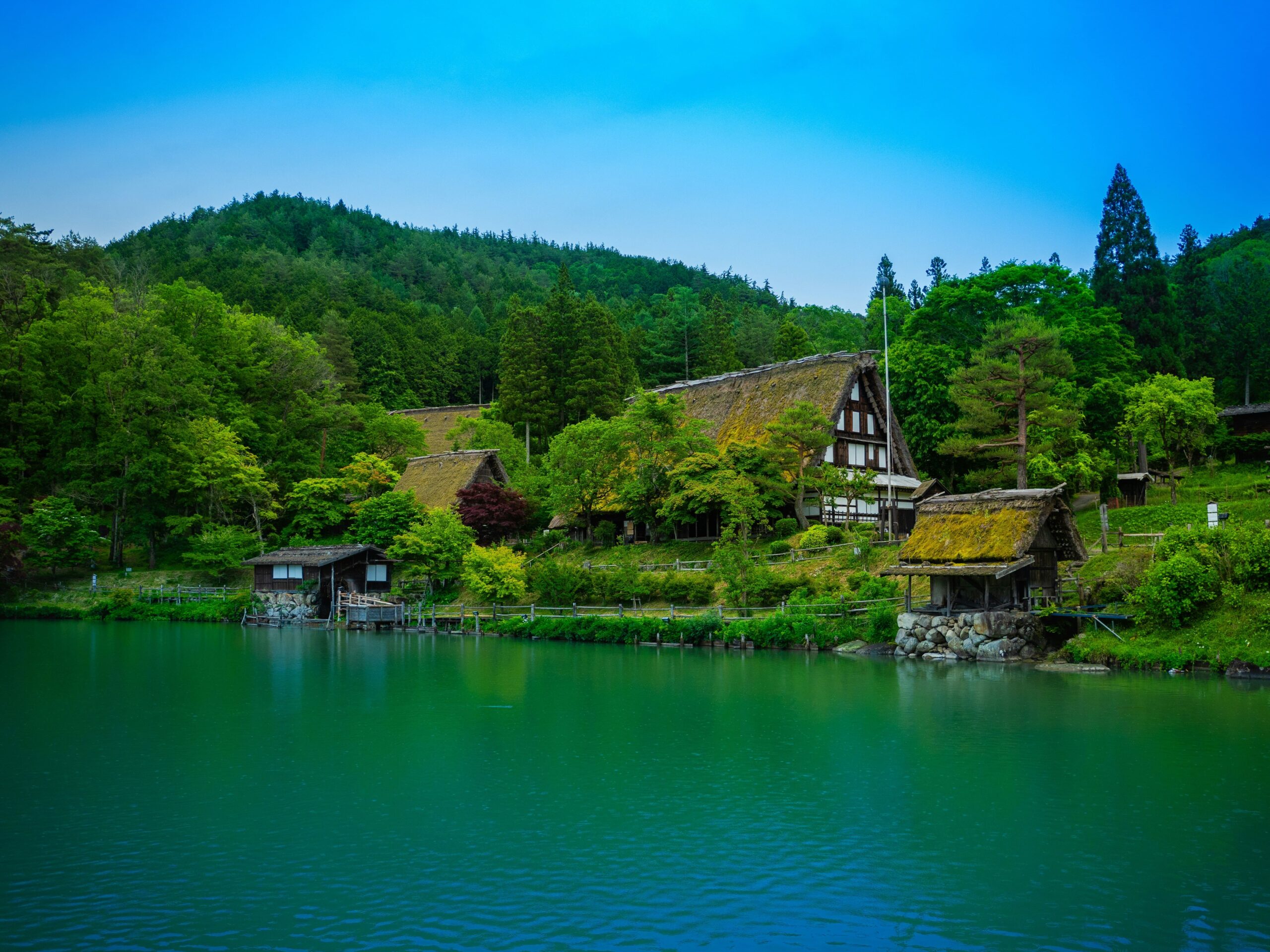
Opening image credit: Vinh Nguyen/Unsplash.